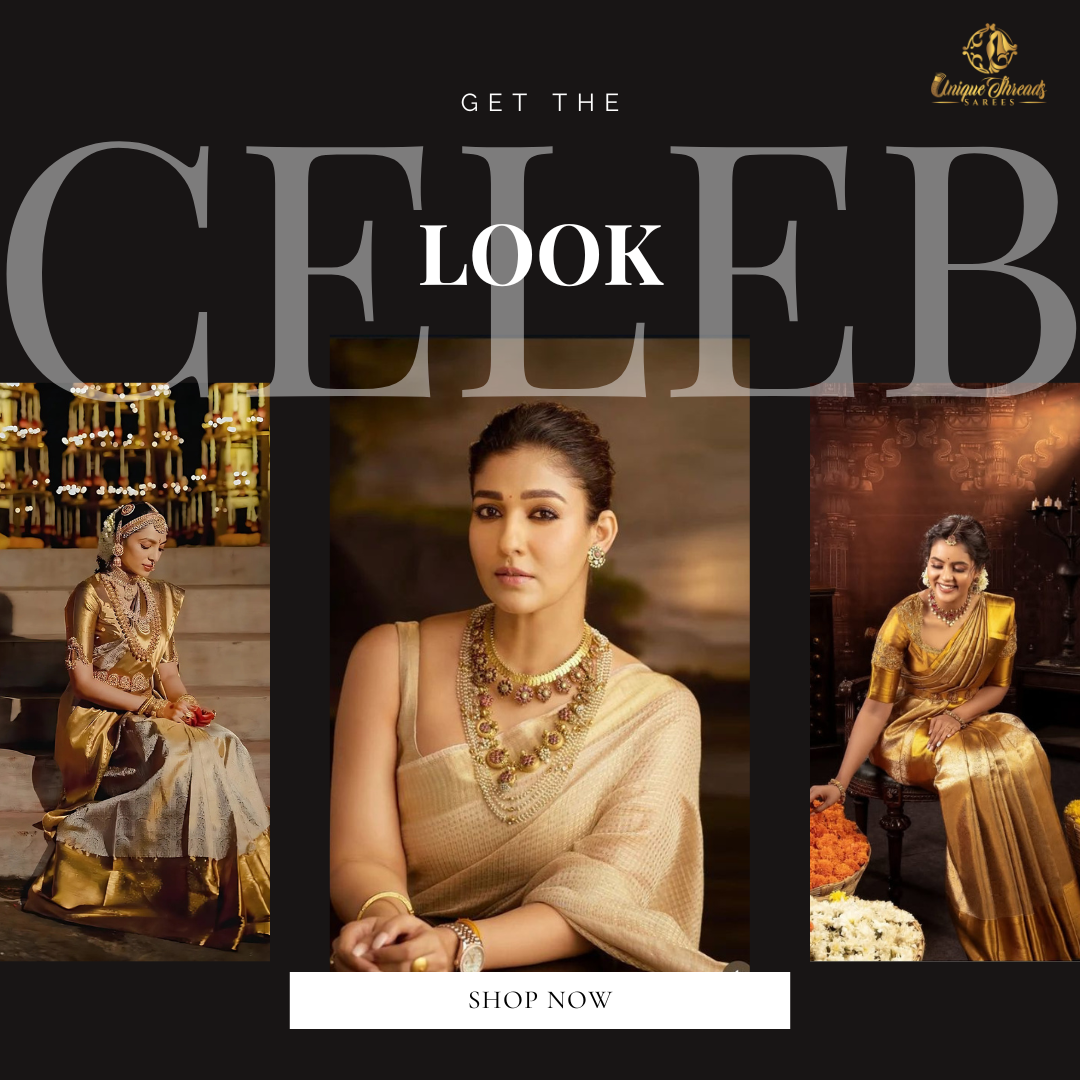



You know that feeling. You ordered the saree because the pictures looked beautiful, the colour was exactly what you had been searching for, and the price seemed reasonable. Then, after placing the order, one thought suddenly appears: "What if the fabric isn't what I expected?"
It is a completely understandable concern, especially when buying a saree online. You cannot touch the fabric, check its weight, feel its texture or see how it falls on your body before paying. A product photograph can show the design, but it cannot completely recreate the experience of holding the saree in your hands.
At UT Sarees, shoppers can find a wide range of Banarasi sarees across different fabrics and weaving styles. The current catalogue includes options such as Kora Tissue Silk, Mashru Silk, Georgette, Chinia Silk, Soft Silk, Organza and Cotton Silk. That variety is useful, but it also means understanding the fabric becomes more important before ordering.
So, if you've already clicked "Buy Now" and are now staring at the order confirmation wondering whether you made the right choice, don't panic.
First, understand what you actually ordered.
Why Online Saree Fabric Can Feel Different From the Photos
Let's be honest: photographs are not fabric.
A camera can capture colour, motifs, borders and shine reasonably well, but it cannot tell you whether a saree feels crisp, soft, fluid, structured, airy or substantial.
Lighting also changes how a fabric appears.
A tissue saree photographed under strong studio lighting may look considerably more reflective than it does in normal indoor light. A deep colour may appear brighter on a phone screen. A sheer fabric may look more opaque depending on what is underneath it.
This doesn't automatically mean the product is misleading.
It means online shopping removes one important part of saree shopping: touch.
That is why fabric terminology matters.
Instead of asking only, "Does this saree look good?", ask:
-
What is the actual fabric?
-
How does that fabric generally drape?
-
Is it lightweight or substantial?
-
Does it have a soft or crisp texture?
-
Is it suitable for the occasion?
-
What kind of comfort can I expect?
Once you start looking at sarees this way, the photographs become only one part of your decision.
First, Identify What You Actually Ordered
Before worrying about the fabric, go back to your order confirmation and product page.
Read the product title again.
Then read the description.
Don't rely on what you remember from the photograph.
A saree described as silk may not necessarily have the same feel as another saree carrying the word silk in its name. Even within Banarasi collections, different fabrics can have very different textures, weight and drape.
UT Sarees' current product catalogue demonstrates this variety clearly, with products listed across multiple fabrics and styles.
Kora Tissue Silk
Kora Tissue Silk is a good example of why fabric knowledge helps.
Tissue and Kora styles are often associated with a lighter, more translucent appearance and a noticeable play of light. UT Sarees currently has a dedicated breathable tissue silk collection that describes its pieces as lightweight, soft in texture and designed for comfortable wear, with Banarasi motifs and rich pallus.
So if you ordered a Kora Tissue Silk saree and expected it to feel exactly like a heavy traditional silk, that expectation may be the real problem.
The fabric is doing what it is supposed to do.
What to Expect From Tissue-Based Sarees
Depending on the specific construction, you may notice:
-
A lighter feel
-
A subtle or visible sheen
-
A comparatively airy drape
-
Some transparency
-
A different fall from heavier silk sarees
That doesn't mean the saree is "thin" in a negative sense.
It means it belongs to a different fabric category.
Mashru Silk
Mashru Silk is another fabric that can surprise shoppers who have never handled it before.
UT Sarees describes Mashru Silk among the fabric options discussed in its saree guides, noting its combination of a silk-like outer appearance with a softer inner feel.
If you've ordered Mashru expecting the exact texture of conventional silk, the first impression may be different.
That's not necessarily a quality issue.
It's simply a reminder that "silk" isn't one single tactile experience.
Georgette Is Supposed to Feel Different
If your order is Georgette, don't expect it to behave like Katan or a heavier silk.
Georgette is known for a lighter, fluid fall and a softer movement. It is often chosen by shoppers who don't want a saree that feels overly structured.
UT Sarees' ready-to-wear collection currently includes Georgette options, alongside tissue silk and organza, specifically highlighting lightweight designs and easy draping.
Why Georgette Can Cause Online Shopping Anxiety
The problem is often expectation.
You see an ornate Banarasi design in a photograph and mentally associate the richness of the design with the weight of the fabric.
But a detailed design doesn't automatically mean a heavy saree.
A Georgette Banarasi can carry elaborate motifs while still feeling comparatively light.
So if your saree arrives and moves more freely than you expected, that doesn't automatically mean something is wrong.
What About a Chinia Silk Saree?
A Chinia Silk Saree can be another confusing purchase if you're judging it only from photographs.
One important point is that terminology around Chinia can vary across saree listings and discussions. UT Sarees' own 2026 wedding guide explains Chinia in relation to a thread variant used within Katan weaving to produce vivid colour, rather than treating it simply as one universal standalone fabric category.
That's exactly why you should read the complete product description instead of assuming every saree labelled "Chinia Silk" will feel identical.
Look at the complete construction.
Check what the seller actually states about the saree.
And if you're confused, ask.
A five-minute conversation with customer support before ordering is much easier than trying to figure out what you received after the parcel arrives.
Soft Silk Doesn't Mean Every Saree Will Feel the Same
Soft Silk sounds straightforward, but even here, don't make assumptions based on the name alone.
Softness can be perceived differently depending on the weave, finishing and construction.
Two sarees can both be described as soft silk and still have noticeably different falls.
When shopping online, look at the product-specific details rather than treating a fabric name as a complete technical specification.
Ask Yourself What Kind of Fall You Want
This is a much better way to think about fabric.
Do you want the saree to:
-
Hold pleats firmly?
-
Move easily?
-
Feel light on the body?
-
Have a structured silhouette?
-
Have a visible sheen?
-
Feel comfortable for several hours?
Your answer can help you understand whether a particular fabric matches what you're expecting.
Organza Silk: Beautiful, But Don't Expect It to Behave Like Silk Satin
Organza Silk has its own personality.
It is generally associated with a lighter, crisp and sheer appearance. That makes it attractive for people who want a saree with structure and visual delicacy without choosing a very heavy fabric.
UT Sarees' current ready-to-wear range includes Organza alongside Georgette and tissue silk, showing how these lighter fabric options are being used for easier, more contemporary saree dressing.
If your Organza saree arrives and feels slightly crisp or holds its shape differently from your Soft Silk saree, that isn't automatically a defect.
That's the nature of the fabric category.
When Organza Makes Sense
Organza can work particularly well when you want:
-
A defined silhouette
-
A lightweight feel
-
A crisp drape
-
Visible embroidery or zari work
-
A dressier appearance without heavy fabric
But if you personally prefer fluid, soft fabrics, Organza may take a little getting used to.
Cotton Silk: When Comfort Matters
Then there's Cotton Silk.
This category appeals to shoppers who want something between the everyday feel of cotton and the visual richness associated with silk.
UT Sarees' fabric guide describes Cotton Silk as a choice for people who want the appearance of silk combined with the comfort associated with cotton, particularly for longer wear and warmer conditions.
That makes the fabric worth considering for daytime functions, office events and occasions where you're going to be wearing the saree for several hours.
Don't Judge Comfort Before You Wear It Properly
Sometimes shoppers receive a saree, touch it for ten seconds and immediately decide it feels "different."
Give it a proper trial.
Drape it.
Walk around.
Sit down.
Adjust the pallu.
See how the pleats behave.
A saree that feels unusual when unfolded on a bed may feel completely different once draped.
Banarasi Satin Silk Can Look More Dramatic on Camera
Banarasi Satin Silk can have a smooth, glossy appearance that catches light beautifully.
And yes, that can make online photographs particularly dramatic.
If your screen showed a very shiny saree, don't automatically assume the actual fabric will look equally reflective under every type of lighting.
Instead, compare:
-
Product photographs
-
Close-up images
-
Videos, if available
-
Different angles
-
Natural-light images, where provided
The goal isn't to find a photograph that guarantees exactly what the saree will look like.
The goal is to reduce the gap between your expectation and the actual product.
"The Fabric Feels Different" Doesn't Always Mean "The Saree Is Bad"
This distinction is important.
Suppose you ordered a saree expecting a soft, flowing drape.
It arrives and feels more structured.
Your first thought may be:
"This isn't good quality."
But that's not necessarily a logical conclusion.
You need to separate three different things:
Difference
The saree feels different from what you imagined.
Defect
There is a genuine problem with the product, such as damage or an issue that doesn't match the stated product details.
Preference
The saree may be exactly as described, but you personally don't like the way the fabric feels.
These are three completely different situations.
Don't confuse them.
What Should You Check When the Saree Arrives?
This is where your nervousness can actually become useful.
When the parcel arrives, don't rip it open, throw away the packaging and immediately remove every tag.
Take a moment.
Check the Product Against the Listing
Compare the delivered saree with the product page.
Check:
-
Colour
-
Fabric description
-
Border
-
Pallu
-
Motifs
-
Blouse piece
-
Measurements
-
Overall construction
If the product matches the listing but simply feels different from what you imagined, that's a different situation from receiving something materially different.
Check the Fabric in Different Lighting
Take the saree near a window during daylight.
Then look at it under normal indoor lighting.
This can give you a much better understanding of its actual colour and shine than judging it under the yellow light of your bedroom at midnight.
And please don't compare it with your phone screen while standing directly under a warm ceiling bulb.
That's basically asking for confusion.
Don't Forget the Blouse Piece
A surprisingly common source of disappointment is the blouse piece.
You may love the saree itself but then realise the blouse fabric isn't what you expected.
Before finalising your judgement, check:
-
Is a blouse piece included?
-
What fabric is it?
-
How much fabric is provided?
-
Is it stitched or unstitched?
-
Does its colour match the saree?
-
Can it support the blouse design you want?
This becomes particularly important if you already have a specific blouse design in mind.
A deep back, long sleeves or elaborate neckline can require more fabric than a simple blouse.
What If You Bought the Saree for a Wedding?
This is where fabric choice becomes more practical.
A wedding saree isn't judged only by how it looks in a photograph.
You'll potentially be wearing it for hours.
You'll sit.
Stand.
Walk.
Take photographs.
Eat.
Talk.
Move through crowds.
Maybe dance.
Maybe adjust your pallu approximately 47 times.
So comfort matters.
UT Sarees' current wedding guidance groups fabrics according to different types of wedding functions, noting lighter options such as Tissue Silk, Organza and Georgette for settings where lightness and ease are useful, while heavier Katan styles are associated with more formal bridal wear.
The point isn't that one fabric is universally better.
The point is that occasion should influence fabric choice.
If You're Still Searching for Banarasi Sarees
Maybe you haven't ordered yet.
Maybe you're reading this because you're comparing several stores and trying not to make an expensive mistake.
That's when a little research helps.
If you're searching for the Top Banarasi Saree Stores in Varanasi, don't compare shops only by photographs or follower counts. Look at how clearly they explain fabric, weaving, product details, pricing and authenticity.
UT Sarees currently operates retail outlets in Varanasi, including its Bunkar Colony and Rathyatra locations, and its store information highlights handwoven Banarasi silk sarees, bridal collections and designer pieces.
That kind of information gives you more to evaluate than a pretty product grid.
Look Beyond the Word "Banarasi"
A Banarasi saree can differ significantly depending on:
-
Fabric
-
Weaving technique
-
Zari work
-
Motif
-
Weight
-
Finish
-
Production method
So if you're comparing options from different Top Banarasi Saree Stores in Varanasi, ask the same questions of each seller.
That makes the comparison much more useful.
What You Should Do Before Your Next Online Saree Purchase
Your current nervousness can actually teach you something.
Next time, don't start with the photograph.
Start with the fabric.
Step 1: Decide How You Want the Saree to Feel
Do you want:
Light and fluid?
Look toward fabrics such as Georgette or suitable tissue options.
Crisp and structured?
Organza may be worth considering.
Comfortable for longer daytime wear?
Cotton Silk can be worth exploring.
Rich and traditional?
Look into the specific silk and Banarasi constructions rather than simply searching for "silk saree."
Step 2: Read the Product Description
Don't just read:
"Beautiful Banarasi Saree."
That tells you almost nothing.
Look for the actual fabric, measurements, blouse details, weaving information and care instructions.
Step 3: Look at Close-Ups
Zoom in.
Look at the weave.
Look at the border.
Look at the pallu.
Look at the texture.
Step 4: Check Reviews Carefully
Don't only look at the star rating.
Read what actual buyers mention about:
-
Fabric
-
Colour
-
Weight
-
Drape
-
Product accuracy
-
Packaging
-
Delivery
Reviews can help set realistic expectations.
FAQs
1. How can I check the fabric of a saree before buying it online?
Read the complete product description and look for the exact fabric, weaving details, measurements and care instructions. Product photos alone cannot tell you how the fabric feels.
2. Is Kora Tissue Silk suitable for lightweight saree lovers?
Kora Tissue Silk is generally associated with a lighter and more translucent appearance. However, the exact feel and drape can vary by construction, so check the individual product details.
3. How is Georgette different from heavier Banarasi silk fabrics?
Georgette generally has a lighter and more fluid fall, while heavier silk constructions can feel more structured. The right choice depends on your preferred drape and occasion.
4. Does Soft Silk always feel the same in every saree?
No. The feel can vary depending on the weave, finishing and construction. Check product-specific information instead of relying only on the term "Soft Silk."
5. Is Organza Silk a good option for a structured saree look?
Organza Silk is commonly associated with a crisp, lightweight and structured appearance. It can be suitable when you prefer a defined silhouette rather than a very fluid drape.
6. What should I check when an online saree arrives?
Compare the saree with its product listing. Check the colour, fabric, border, pallu, motifs, blouse piece, measurements and overall construction before removing tags or discarding the packaging.
Final Thoughts: So, Should You Be Nervous?
A little caution is good.
Panic is unnecessary.
If you bought a Kora Tissue Silk, Mashru Silk, Georgette, Chinia Silk Saree, Soft Silk, Organza Silk, Cotton Silk or Banarasi Satin Silk saree online, the first thing to remember is that the fabric will have its own character.
It may not feel exactly like the saree you already own.
That doesn't automatically mean you received a poor-quality product.
The real question is whether the saree matches the description and whether its actual characteristics work for what you wanted.
And if you're still at the research stage, take your time. Whether you're browsing online or comparing the Top Banarasi Saree Stores in Varanasi, don't let a beautiful photograph do all the decision-making for you.
Read the fabric details.
Look at close-ups.
Understand the drape.
Check the measurements.
Think about the occasion.
Then buy.
Because the best online saree purchase isn't the one that gives you zero questions after clicking "Buy Now."
It's the one where you already know what you're buying before you click it.